Deivid VanegasDesarrollador Backend e Integración
Back to projects

Personal AI assistant

Celeste

Private, local-first personal assistant: a FastAPI core on my PC with Android, web and desktop clients, Markdown memory and a voice orb, where the AI can only act through a risk-based tool router.

In daily personal use

Project overview

Context and approach

Overview

Celeste is a distributed personal assistant that connects my PC, my phone, a durable Markdown memory and local or optional cloud AI models, without handing unrestricted control to any provider.

Problem

Personal tasks are scattered across PC, phone, notes, mail, calendar and reminders, and most assistants solve that by giving a cloud model broad access to everything. I wanted something useful every day that keeps the data local and never lets the model act on its own authority.

Solution

A FastAPI core is the security boundary: models receive declared tools, not shell access or credentials. A Tool Router classifies every action as READ, SAFE_WRITE, CONFIRM or RESTRICTED, sensitive changes require real confirmation, and memory lives in human-readable Markdown indexed with SQLite FTS5.
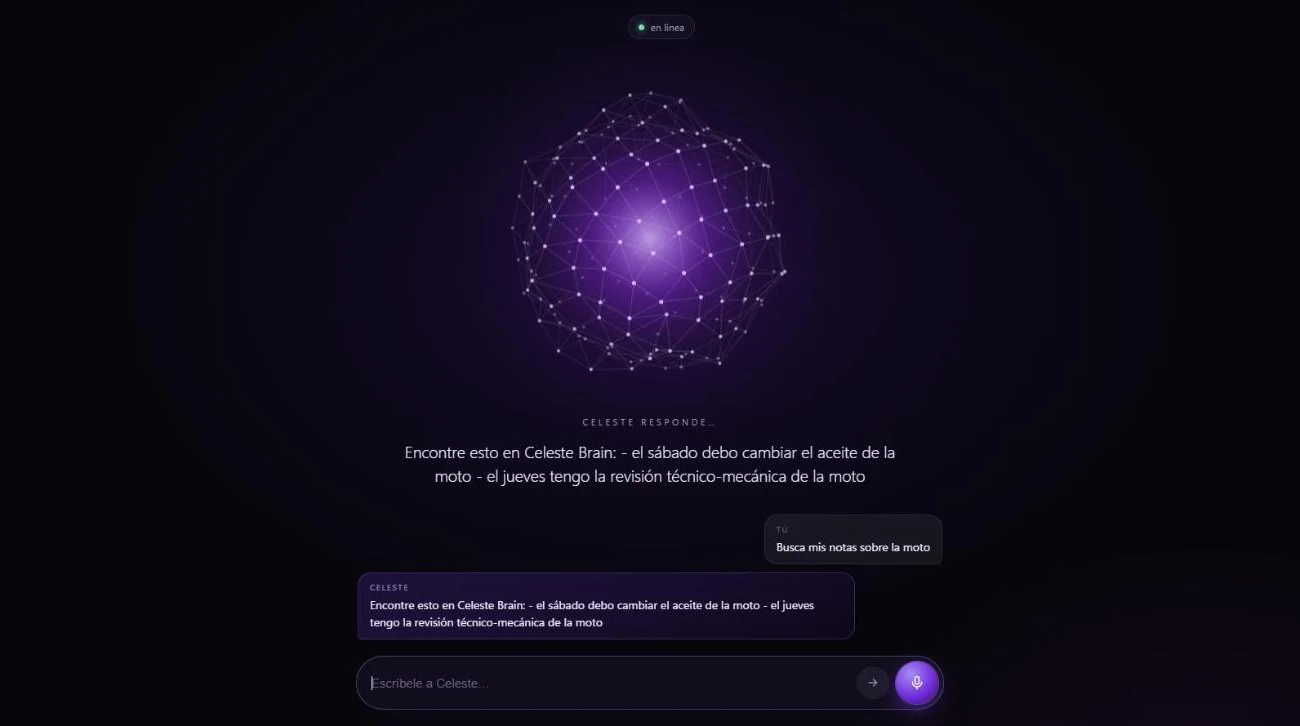
Celeste web client answering from its memory
Answering from Celeste Brain with the local Piper voice.
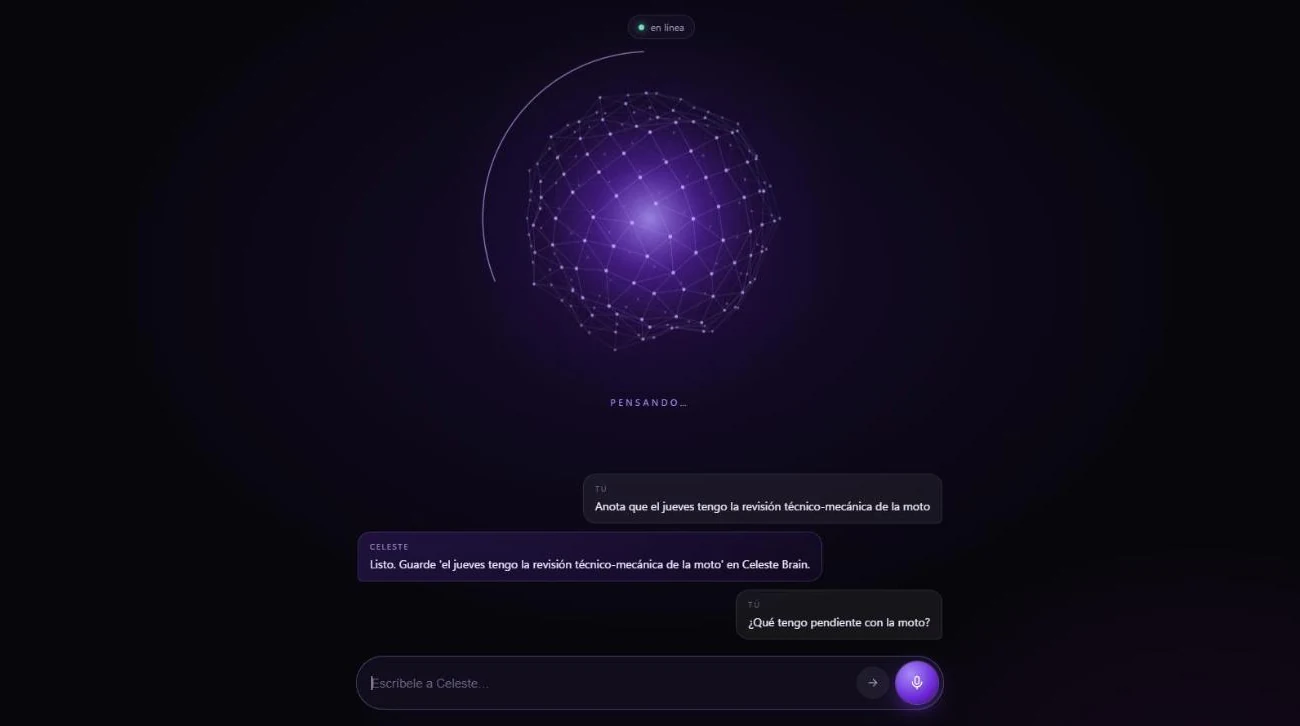
Celeste orb in thinking state with an orbital ring
Thinking state: the orb spins faster and shows an orbital ring.
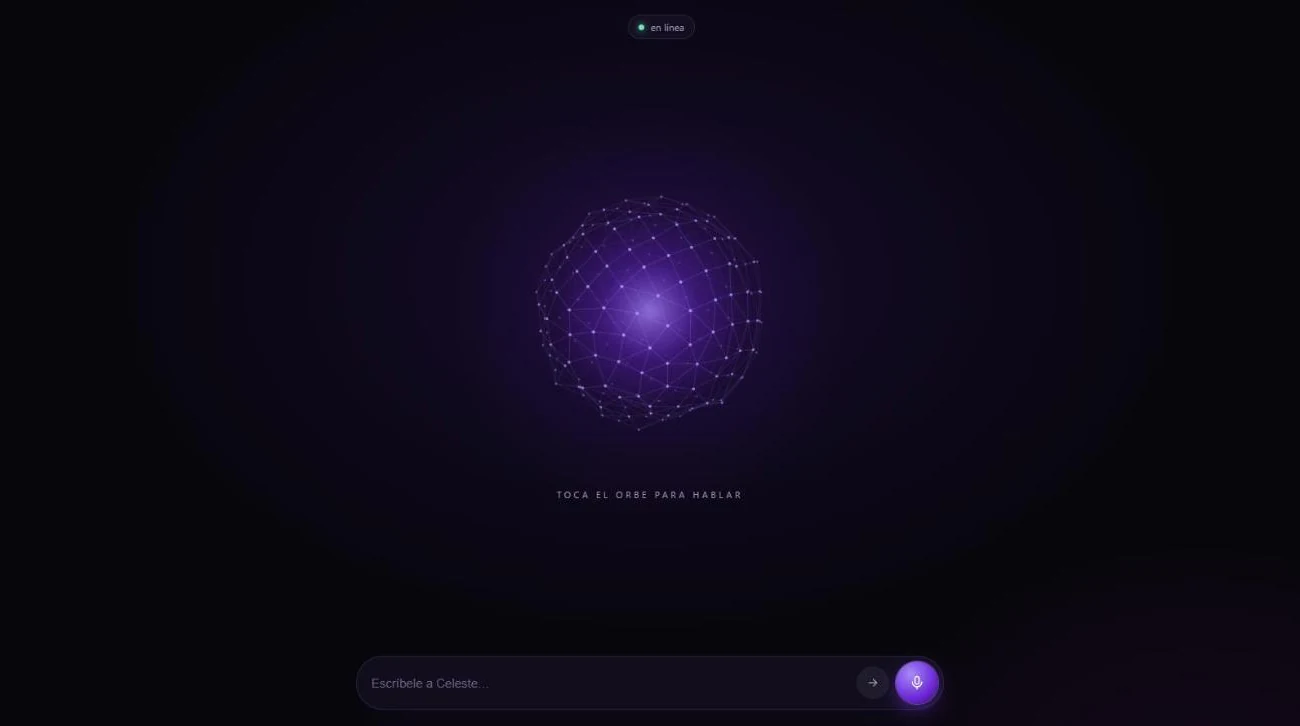
Celeste web client at rest
Idle: a particle sphere that breathes and reacts to voice.

Key figures

151

Core tests passing

13

Architecture decisions (ADRs)

3

Clients: Android, web, desktop

4

Tool risk levels

Architecture

  1. 01

    Clients

    Android app, web client and desktop voice orb.

  2. 02

    Celeste Core

    FastAPI service with token auth and autostart on Windows.

  3. 03

    Tool Router

    READ, SAFE_WRITE, CONFIRM and RESTRICTED actions with audit.

  4. 04

    AI providers

    Ollama locally, Claude or OpenAI as interchangeable options.

  5. 05

    Celeste Brain

    Markdown notes with YAML frontmatter and an FTS5 index.

Main capabilities

  • Voice conversation with a local Piper voice and Whisper transcription.
  • Notes, search and memory in Markdown that I can open in Obsidian.
  • Durable reminders with proactive spoken announcements.
  • Gmail and Google Calendar through official OAuth, with confirmation before sending or changing.
  • Android client with Wake-on-LAN, offline notes (Room) and idempotent sync.
  • Swappable AI providers: Ollama, Claude or OpenAI.

Verification evidence

  • 151 of 151 Core tests passed.
  • Used daily on Windows with autostart and a token-protected API.
  • Gmail and Calendar validated against a real account in draft mode.
  • Offline notes synced without duplicates after network loss.

Engineering decisions

  • — The Core, not the model, is the authority over data and actions.
  • — Markdown files are the source of truth; the SQLite index can always be rebuilt.
  • — Sensitive actions need explicit confirmation tied to the exact payload.
  • — Local models first; cloud providers are optional and replaceable.
  • — LinkedIn messaging was evaluated and rejected for lack of official free access.

Scope limitations

  • — Single-user project built for my own use.
  • — Source code is private; this page shows screenshots from a demo instance with empty memory.
  • — Home automation and an always-on server remain on the roadmap.

Want to see it running?

The repository is private. I can walk you through the code and a live demo.

Request a walkthrough